
Attendance and Anxiety: How the New Wellbeing Bill Supports a Mindful Approach to School
Apr 27, 2026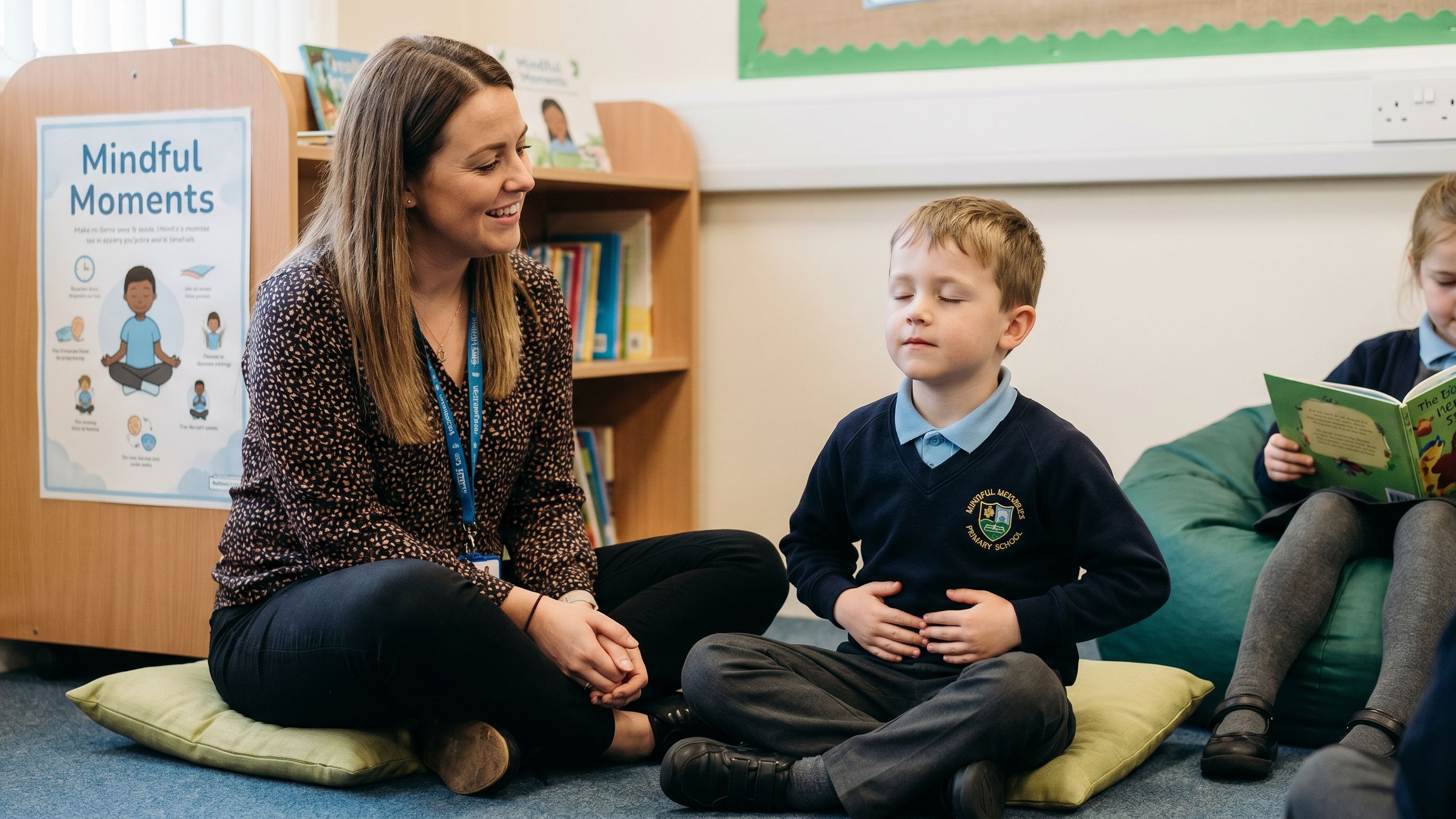
As we move through April 2026, the Children’s Wellbeing and Schools Bill is reaching its final stages in Parliament. For headteachers, nursery managers, and practitioners, this represents a fundamental shift. The UK is moving towards a model where a child’s emotional health is seen as a direct link to their ability to learn.
Current data from the Department for Education shows that persistent absence remains a significant challenge. Rates of absence in secondary and special schools are currently recorded at over 18%. This has led to a new policy focus on preventative wellbeing to help pupils feel safe and ready to attend.
Why wellbeing matters for attendance
Research in child development shows that children who feel regulated are more likely to stay in the classroom. School refusal is often rooted in anxiety or sensory overload. Yoga and mindfulness are practical tools that address these issues directly.
By integrating these practices, schools can help pupils in several ways:
-
Reducing physical stress: Simple breathing techniques help quiet the nervous system. This reduces the "fight or flight" response that often triggers school-morning anxiety.
-
Building resilience: Movement-based yoga helps children develop a growth mindset. They learn to stay calm when a physical pose or a classroom task becomes difficult.
-
Creating inclusive environments: For children with Special Educational Needs (SEN), yoga provides a predictable and non-competitive space.
Insight from the classroom
Practical experience shows that small changes yield results. One primary teacher in the Midlands recently shared their experience. They noted that starting the day with five minutes of mindful movement changed the energy in their Year 4 classroom. Children who previously struggled with the transition from the playground to the desk were more settled and focused.
Practical tools for your setting
You do not need a full hour to make an impact. Under current wellbeing frameworks, even small and consistent breaks are effective.
-
The 7/11 breath: Inhale for a count of 7 and exhale for a count of 11. This is a brilliant tool for teenagers facing exam stress.
-
The bus technique: Encourage children to view distracting thoughts like buses passing a stop. They can watch them come and go without having to get on.
-
Grounding poses: For Early Years children aged 2 to 5, "Tree Pose" helps develop balance and physical confidence.
Supporting evidence and safety
Beam Academy frames yoga and mindfulness as essential life skills rather than just physical exercise. These practices align with the Social, Emotional and Mental Health (SEMH) strands of the UK educational curriculum.
When delivered by trained professionals, these sessions prioritise child safety and inclusion. It is important to remember that these are supportive tools and not medical treatments.
Next steps for professionals
As the 2026 regulations take effect, having a trained wellbeing lead is becoming a standard expectation in many schools. If you want to bring these skills into your school or nursery, a dedicated training path is the best way to ensure your practice is effective.
Explore our training courses:
-
Early Years Yoga: For those working with children aged 2 to 5.
-
Children’s Yoga: Designed for primary settings to improve classroom focus.
-
Teen Yoga and Mindfulness: Practical strategies for secondary school mental health.
-
SEN Yoga: Specialist tools for working with autism, ADHD, and trauma.
You can learn more about our upcoming training dates to support your setting's wellbeing strategy.
Sign Up For Our Monthly Newsletter
Receive monthly emails with news, blogs and articles about teacher training courses, yoga, mindfulness, education and so much more.
We hate SPAM. You'll only get quality content.
