
The Quiet Early Years Crisis: Why the Secret to Toddler Resilience Lies in Movement, Not Control
Aug 01, 2026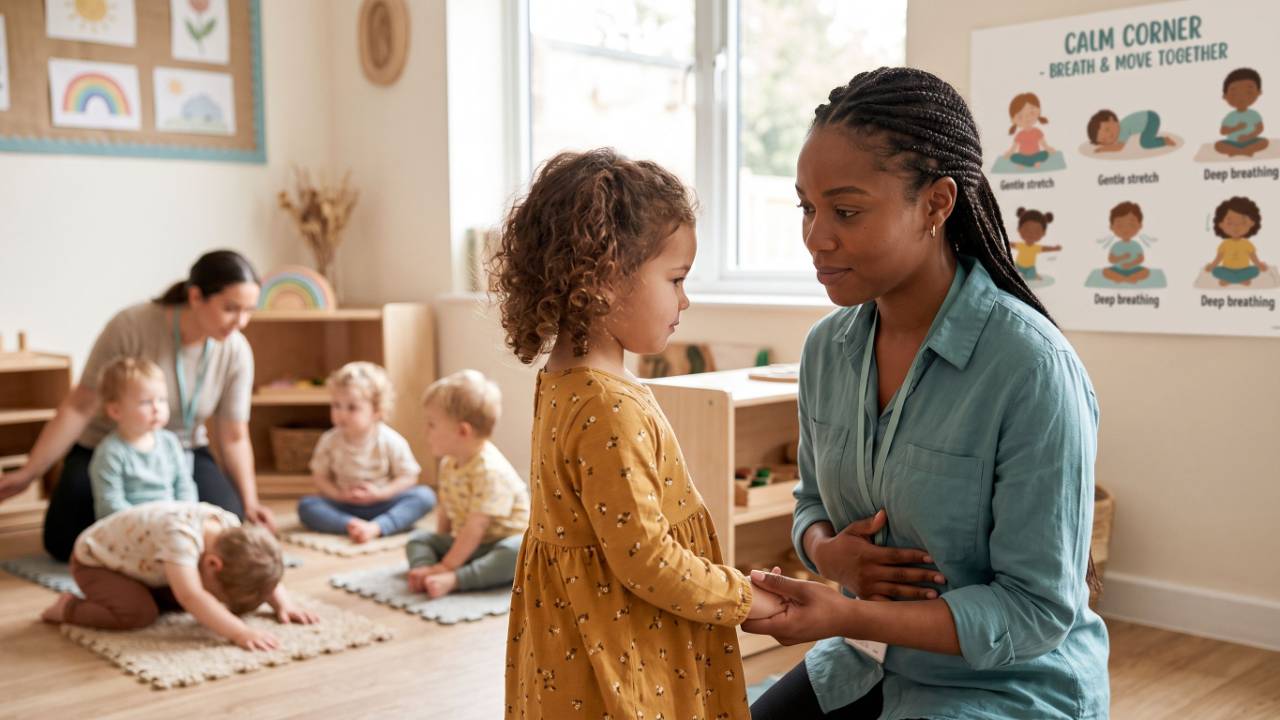
Amid rising emotional distress and sensory overstimulation in UK nurseries, developmental experts argue that physical co-regulation is no longer a luxury; it is the bedrock of early childhood education.
By BEAM ACADEMY
Step inside a modern urban nursery at three o’clock on a Tuesday afternoon, and you will witness a subtle, high-stakes battle. It is not fought over building blocks or stolen crayons, but in the quiet, overwhelming struggle of tiny nervous systems attempting to navigate a world that has grown increasingly loud, fast, and demanding.
To the casual observer, a three-year-old’s mid-afternoon meltdown looks like a simple tantrum. Yet to early years educators and child psychologists, it represents something far more profound: a state of physiological overstimulation. Across the United Kingdom, early years settings are confronting an unprecedented surge in children arriving at nursery with heightened emotional distress, speech delays, and underdeveloped emotional regulation.
Data from the Department for Education and early intervention charities paints a sobering picture: the proportion of children entering nursery requiring targeted support for emotional regulation and communication has risen sharply over the past three years . For nursery managers operating under tight local authority budgets and mounting operational pressures, the challenge of maintaining a peaceful, productive environment has never been more acute .
The Architecture of Co-Regulation
"We often make the fundamental error of expecting toddlers to self-regulate before they have ever been taught how," explains Dr. Sarah Linfield, a consultant developmental psychologist specializing in early years mental health. "Self-regulation is not an innate skill that arrives on a child’s second birthday; it is a neurological capability built through repeated experiences of co-regulation with a calm, grounded adult."
Co-regulation, the process by which an adult’s physiological state acts as an external nervous system for a child, has quietly become the most critical concept in modern early years pedagogy. When a young child experiences separation anxiety or sensory overload, their brain’s threat response activates, releasing cortisol and rendering verbal logic ineffective. Telling an overstimulated three-year-old to "calm down" is neurologically futile.
Instead, leading neuroscientists point to movement and physical literacy as the primary key to unlocking emotional stability. Research published in The Lancet Child & Adolescent Health underscores that short, structured bursts of physical activity directly lower baseline stress hormones in young children while accelerating executive functioning skills .
Bringing Somatic Calm into the Nursery Classroom
It is within this framework that early years yoga and structured mindfulness have transitioned from pleasant extra-curricular activities to indispensable pedagogical tools . Rather than imposing rigid discipline, play-based yoga invites children to process their physical energy through imitation, rhythm, and breath work.
When a qualified instructor guides a room of preschoolers to reach tall like a tree or flutter their hands like butterflies, the effect goes beyond physical flexibility. "Physical movement is the native language of the early childhood brain," notes nursery leader Eleanor Vance, who recently introduced structured movement routines across her London settings. "When we model gentle, deliberate postures, children naturally mirror our heart rates and breathing patterns. The atmosphere in the room shifts from chaotic to focused in a matter of minutes."
Furthermore, establishing dedicated spaces within the classroom, such as visual "Emotion Check-in Corners" combined with gentle stretching routines, allows young children to map their internal feelings to physical actions before emotional distress escalates into full classroom disruption.
Bridging the Gap: From Nursery Setting to the Family Home
The true power of somatic co-regulation, however, lies in its seamless continuity between the educational setting and the living room. The transition from nursery care to the evening routine at home is notoriously fraught, with sensory fatigue frequently manifesting as bedtime resistance or tears.
Child development specialists urge parents to resist the temptation to meet evening dysregulation with strict authority or digital distraction. Simple techniques practiced in the nursery, such as "belly breathing," where a child lies down and moves a lightweight soft toy up and down on their stomach, can easily be integrated into bedtime routines to switch the body’s autonomic nervous system from "fight-or-flight" into a restful state .
Ultimately, fostering mental and emotional resilience in young people requires a fundamental shift in perspective. Emotional regulation is not an auxiliary goal to be tackled once learning is finished; it is the essential precondition for all learning, growth, and happiness. By equipping nursery managers, educators, and parents with shared, movement-based tools, we can construct an early years environment where young minds do not simply survive the day, they truly thrive.
Sign Up For Our Monthly Newsletter
Receive monthly emails with news, blogs and articles about teacher training courses, yoga, mindfulness, education and so much more.
We hate SPAM. You'll only get quality content.
