
Little Movers, Big Breaths: Simple Early Years Yoga for Toddlers and Preschoolers
Mar 07, 2026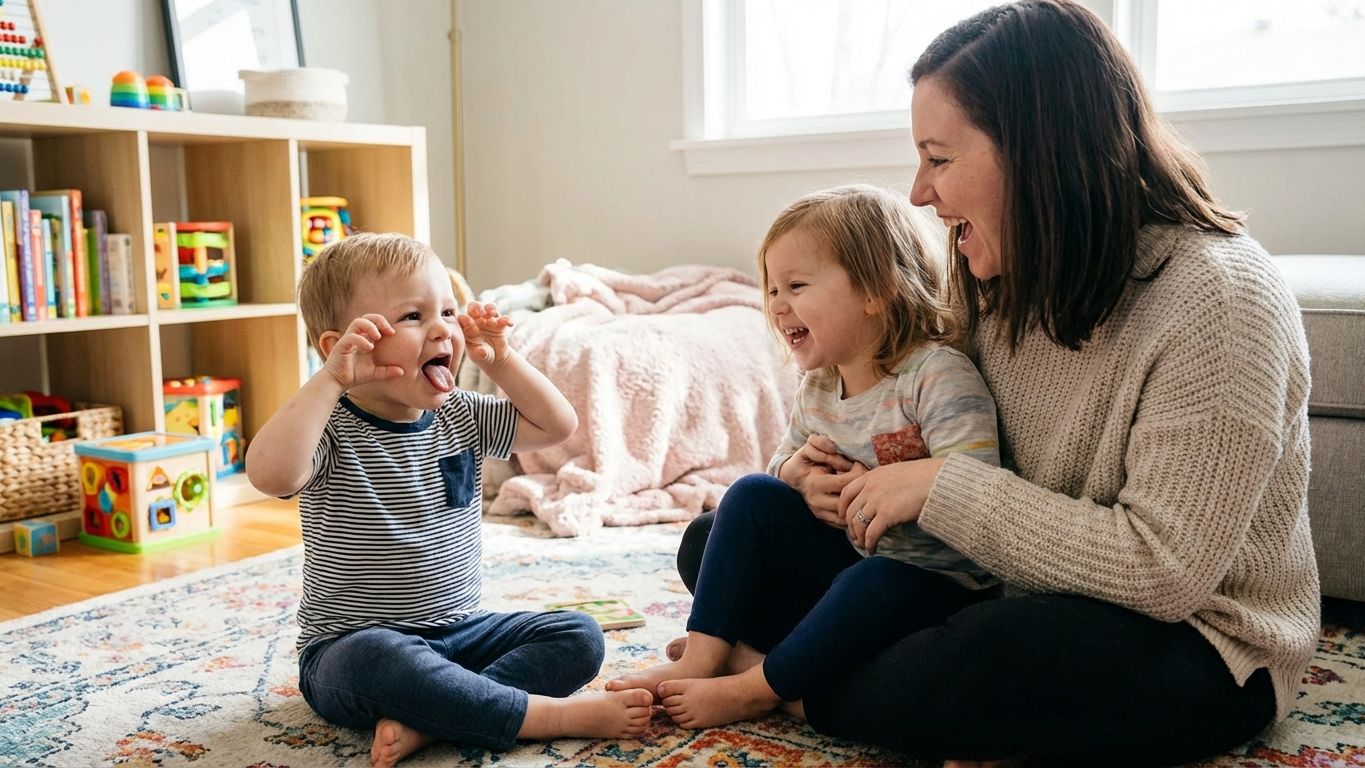
Keeping toddlers and preschoolers happy and engaged is always a top priority for parents and early years educators. But finding activities that support both their physical development and emotional wellbeing can sometimes feel like a puzzle. That’s where Early Years Yoga comes in. It’s a fun, active, and accessible way to introduce your little ones to movement and relaxation, right in your living room or nursery.
If you work in a nursery and would like to lead sessions like these with confidence, our early years yoga teacher training is a 20-hour accredited course you can join online.
Why Early Years Yoga Matters Now
The early years are a crucial time for child development. In these foundation years, children are rapidly building motor skills, learning about their bodies, and beginning to understand and regulate their emotions. Traditional yoga with strictly held poses isn't quite right for this age group, but adapting the principles of yoga – breathing, movement, and focus – works wonders.
Yoga offers a gentle and playful way to support this development. It encourages physical coordination, balance, and strength. Importantly, it can also help to nurture emotional resilience and self-awareness from a very young age. Introducing these simple wellbeing tools now can lay a positive foundation for years to come.
Making Yoga Fun and Practica
The key to early years yoga is making it imaginative and playful. Forget standard pose names! Connect the movements to animals, nature, and everyday objects they already recognize.
Here are some simple activities you can try at home or in the setting, with little or no equipment:
-
The Playful Lion Breath:
-
How to do it: Sit comfortably with legs tucked under, or cross-legged. Place your hands flat on the floor or your knees, like paws.
-
The Action: Take a deep breath in through your nose. Then, breathe out powerfully through your mouth, widening your eyes and sticking out your tongue, making a soft "haaaaa" sound (the 'lion's roar'!).
-
Why it works: Children love the silliness of this! It’s great for releasing tension and can be particularly helpful for managing frustration or big emotions. It also teaches them about breathing deeply.
-
-
The Wriggly Snake:
-
How to do it: Have the children lie belly-down on the floor, legs long.
-
The Action: Place hands on the floor under the shoulders. On an inhale, gently lift the chest off the ground, looking slightly forward. They can pretend to slither and hiss softly like a snake.
-
Why it works: This gentle movement helps to strengthen the back and core muscles. Linking the motion to an animal sparks their imagination and makes it more engaging.
-
-
The Tall, Strong Tree:
-
How to do it: Encourage the children to stand tall, with feet slightly apart.
-
The Action: Reach arms high up towards the ceiling, like branches reaching for the sun. For a balance challenge (supervision recommended!), they can try standing on one foot for a few seconds, or even just bringing one foot to touch the ankle of the other leg. Encourage them to sway gently like a tree in a breeze.
-
Why it works: This helps to develop balance and coordination, while also building body awareness. It’s an empowering pose, helping children feel strong and grounded.
-
-
The Floating Balloon:
-
How to do it: Have children lie on their backs with knees bent, feet flat on the floor.
-
The Action: Encourage them to imagine they are a big, colorful balloon. As they breathe in, ask them to imagine the balloon filling up with air, maybe gently lifting their belly. As they breathe out, imagine the balloon slowly deflating and floating gently back down to the floor. Repeat this slowly for a few rounds of breath.
-
Why it works: This introduces basic mindful breathing in an accessible, visual way. It’s very calming and can be a wonderful activity before naptime or bedtime.
-
Tips for Success:
-
Keep it short: A session does not need to be an hour long. Follow the children's lead and attention span.
-
Be a role model: Join in! Children love mimicking adults, and seeing you participate will encourage them.
-
Use simple language: Describe the movements in ways they understand (e.g., "reach for the clouds," "curls up like a sleepy bug").
-
Focus on fun, not form: The goal isn't perfect poses; it's movement and enjoyment.
Supporting Wellbeing and Learning:
Early Years Yoga seamlessly integrates into nursery settings and supports key areas of learning, such as Personal, Social, and Emotional Development (PSED) and Physical Development within wellbeing frameworks. It offers a practical tool for helping children understand their bodies and manage emotions, supporting overall wellbeing and positive behavior.
Ready to Learn More?
This approach to yoga is built on the principles of child-centred practice and practical wellbeing. For those looking to dive deeper and confidently guide little ones through yoga, exploring specialized training can be a fantastic next step. Learn more about the [Early Years Yoga training courses] offered here at Beam Academy to gain the skills and confidence to nurture children's physical and emotional wellbeing in a playful, supportive way. We believe every child deserves the opportunity to move, breathe, and thrive.
Sign Up For Our Monthly Newsletter
Receive monthly emails with news, blogs and articles about teacher training courses, yoga, mindfulness, education and so much more.
We hate SPAM. You'll only get quality content.
