
37% of Children Start Reception 'Not School Ready'. Here's What Nurseries Can Do About It
Sep 26, 2026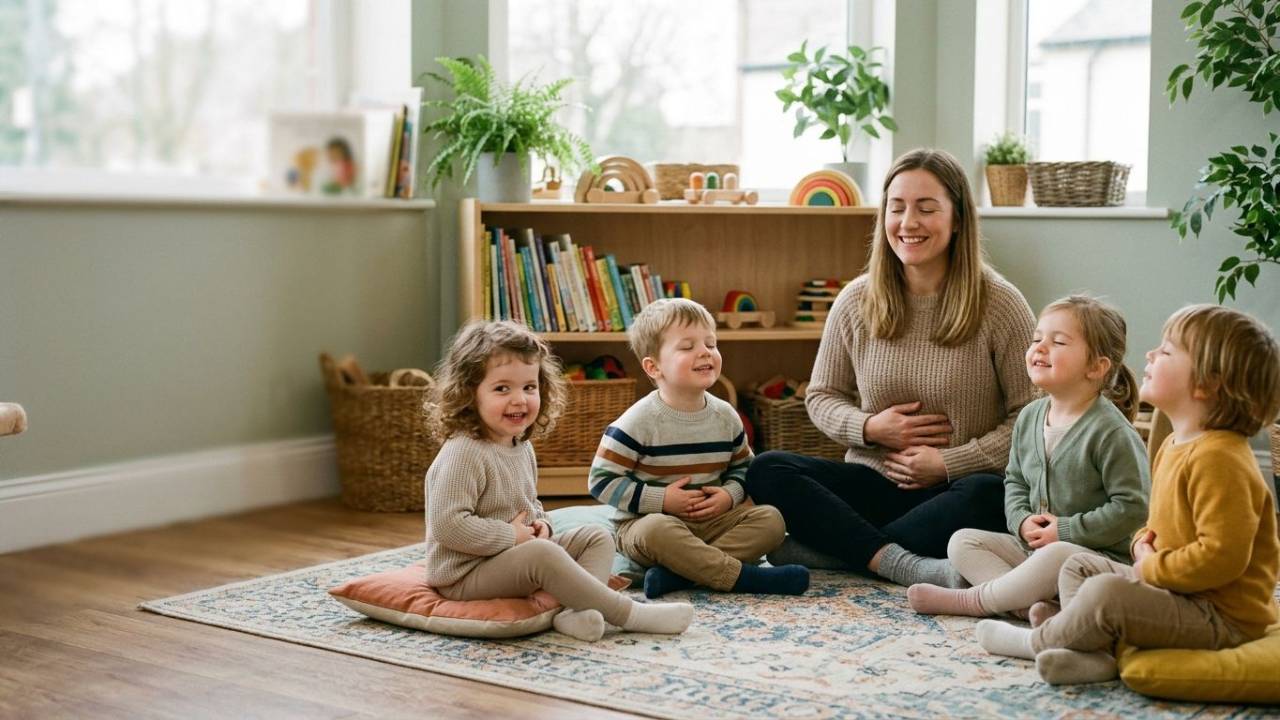
If you work in early years, you've probably seen the headlines about "school readiness". And if you've been doing this a while, you'll know it's about so much more than whether a child can write their name.
The latest figures give us a useful snapshot of what Reception teachers are seeing, and some clues about where nurseries can make the biggest difference.
What the latest research says
Kindred Squared's School Readiness Survey, carried out by the research agency Savanta in late 2025, asked over 1,000 primary school staff and over 1,000 parents about children starting school. A few findings stood out:
- 37% of children starting Reception were described by staff as not school ready, up from 33% the year before.
- 32% were said to become overly upset when away from their parents.
- 25% were struggling with basic language skills.
- 26% weren't yet toilet trained.
- Staff estimated they lose around 2.4 hours of teaching time a day helping children catch up.
Interestingly, 88% of parents felt their own child was ready for school. That gap between how parents and teachers see things is a good reminder that school readiness means different things to different people.
The government has also set a goal for 75% of five-year-olds to reach a "good level of development" by 2028. According to Full Fact, the figure for 2024/25 was 68.3%, so there's still a way to go.
Readiness is about feelings as much as skills
Look back at that list and you'll notice something. Many of the challenges aren't academic at all. They're about managing emotions, coping with separation, communicating needs and feeling comfortable in your own body.
That's great news for nurseries, because this is exactly the stuff you do brilliantly every day. With a few small tweaks, everyday routines can become powerful readiness builders.
6 simple wins for your nursery
1. Make breathing a game
Breathing is one of the quickest ways to help little bodies calm down, and children love it when it's playful. Try "smell the flower, blow out the candle", or pretend to blow up a giant balloon and slowly let it go. A minute or two before transitions can make tricky moments much smoother.
2. Build in movement breaks
Young children aren't designed to sit still for long. Short bursts of movement, such as stretching tall like a tree, crouching small like a mouse or stomping like an elephant, help them release energy and refocus. It also builds balance and body awareness, which support independence skills like dressing and using the toilet.
3. Name the feeling
When a child is upset, calmly naming what you see ("You look really cross that the game finished") helps them connect words to feelings. Over time, this is how children learn to tell an adult what's wrong instead of simply melting down.
4. Lean into co-regulation
Before children can calm themselves, they need to borrow calm from a trusted adult. A soft voice, getting down to their level, and breathing slowly alongside them all help. Staff who feel confident with a few go-to calming tools find these moments far less stressful too.
5. Create predictable goodbye rituals
With a third of children finding separation hard, a consistent goodbye routine can really help. A special wave at the window, a quick hug and a phrase like "see you after snack" gives children something reassuring to hold on to. Practising these little separations at nursery makes the big one in September feel more familiar.
6. Practise listening and turn-taking
Simple group games like "pass the smile", musical statues or copy-my-movement build the listening and waiting skills children need on a busy Reception carpet, and they're a lot of fun.
Bringing parents along
Parents want the best for their children, but as the survey shows, they may not always know what Reception teachers are looking for. Sharing a few of these games with families, through a newsletter, a short video or a stay-and-play session, helps children practise at home too. Consistency between home and nursery makes everything stick.
And if you ever have concerns about a child's development, it's always worth talking with parents and involving your SENCO, health visitor or other professionals early.
How we can help
At BEAM ACADEMY, we run yoga and mindfulness sessions in nurseries across London, built around exactly these skills: breathing, movement, emotional awareness and calm. Our sessions are playful and inclusive, with adaptations for children with SEND and those learning English as an additional language. Just as importantly, we share simple co-regulation tools your own team can use every day, long after our session has finished.
If you'd like to chat about bringing BEAM into your nursery, get in touch at nursery@beam.academy or visit beam.academy. We'd love to hear from you.
SOURCES
- Kindred Squared, School Readiness Survey 2025 (January 2026, research by Savanta): https://kindredsquared.org.uk/wp-content/uploads/2026/01/School-Readiness-Survey-January-2026-Kindred-Squared.pdf
- Full Fact, Are 75% of England's five-year-olds 'ready to learn'?: https://fullfact.org/government-tracker/75-percent-ready-to-learn/
Sign Up For Our Monthly Newsletter
Receive monthly emails with news, blogs and articles about teacher training courses, yoga, mindfulness, education and so much more.
We hate SPAM. You'll only get quality content.
