
Understanding EBSA: Supporting School Attendance Through Mindfulness
Jan 26, 2026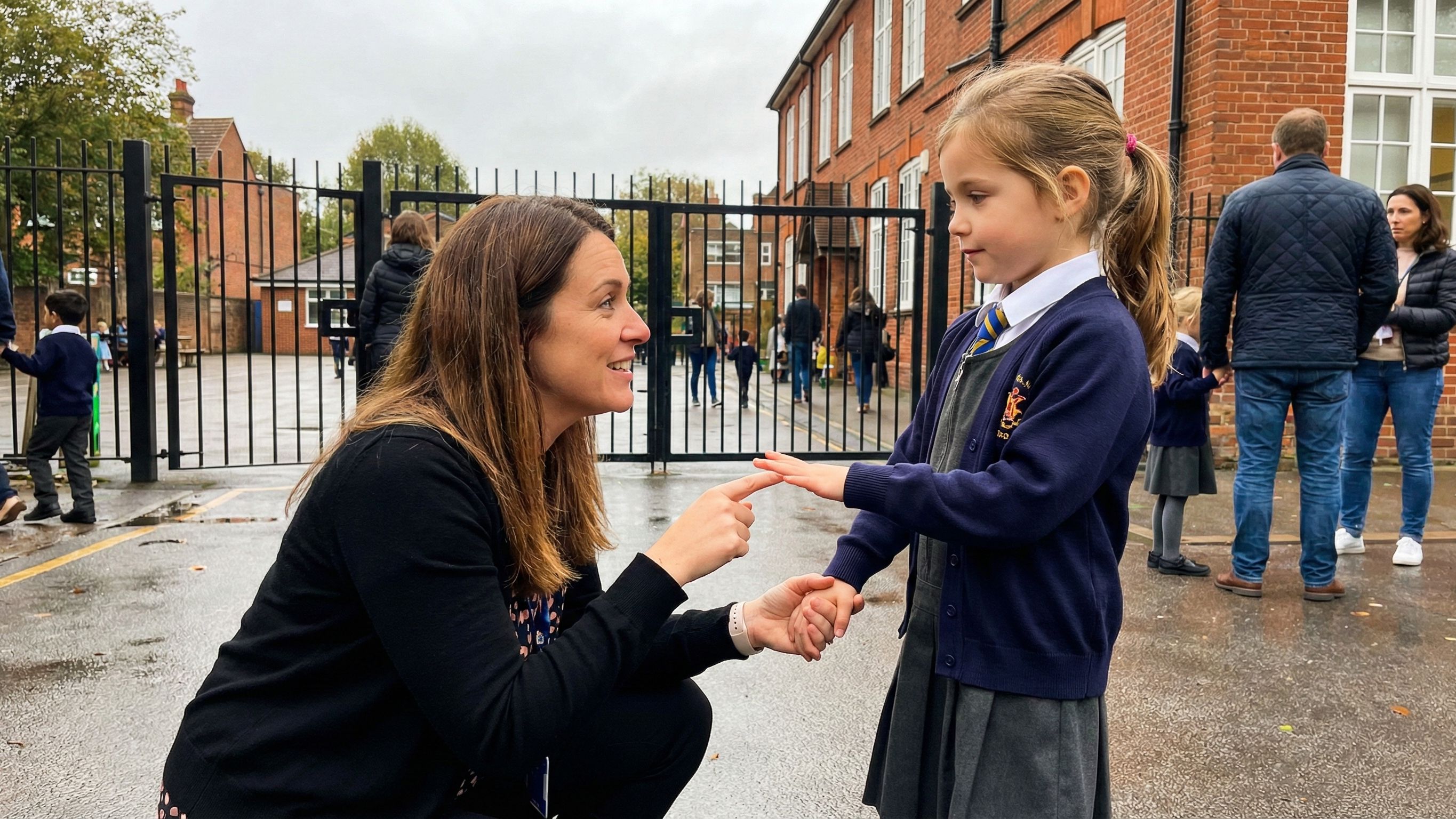
Recent Department for Education (DfE) data suggests that persistent absence remains a major hurdle. In the 2024/25 academic year, roughly 20% of pupils in England were persistently absent. In London, high living costs, housing instability, and the lingering effects of global events have added extra layers of stress to family life, making the school gates feel like an insurmountable barrier for some.
Understanding EBSA: Why "Toughening Up" Doesn't Work
EBSA is fundamentally different from traditional truancy. While a truant might skip school to seek out alternative entertainment, a child experiencing EBSA often desperately wants to attend but feels they physically and emotionally cannot.
The school environment can become a source of "sensory or emotional overload." For a child with EBSA, the noisy playground, the pressure of high-stakes testing, or even the unpredictability of a supply teacher can trigger a "fight, flight, or freeze" response. When a child’s nervous system is in a state of high alert, the brain’s "prefrontal cortex" - the part responsible for learning and logic - effectively shuts down.
The Shift to a Whole School Approach
London’s school leaders are increasingly moving away from punitive attendance measures. Instead, they are adopting Whole School Approaches to mental health, as recommended by the Public Health England framework. The focus has shifted from "Why aren't you in school?" to "How can we make school feel like a place where you belong?"
"We used to focus on the 'why' of the absence. Now we focus on the 'how' of the return. By using mindful breathing at the start of every day, we give our anxious flyers a predictable tool to ground themselves before they even open their books." - Primary Deputy Head, Southwark.
Practical Tool: The "Mindful Morning" Checklist
To support children struggling with EBSA, schools and parents must work together to lower the "emotional temperature" of the morning routine. Here is a practical framework to share with your school community:
1. The Night Before: Predictability
Reducing "decision fatigue" helps keep the nervous system calm.
-
Visual Timetables: Use a simple visual schedule so the child knows exactly what to expect.
-
The "Check-in" Jar: Encourage the child to write down one "worry" and one "win" from the day to clear mental space.
2. The Morning: Lowering the "Alarm"
Keep the child in their "Window of Tolerance" where they feel balanced.
-
Low-Stimulus Start: Keep lights dim and avoid loud TV or news for the first 20 minutes.
-
Five-Finger Breathing: Trace up your finger as you inhale, and down as you exhale. Repeat for all five fingers.
-
Proprioceptive Input: Try "Wall Pushes" (pushing against a wall with flat palms for 10 seconds). This "grounds" the body and provides sensory feedback that they are safe.
3. The Journey: Mindful Transitions
-
Transitional Objects: Allow a small, discreet item in their pocket—a smooth stone or "bravery button"—to remind them of home.
-
The "5-4-3-2-1" Game: On the walk, spot 5 things you see, 4 you hear, 3 you can touch, 2 you smell, and take 1 deep breath.
How Yoga and Mindfulness Bridge the Gap
Yoga and mindfulness are not just "nice to have" activities; they are evidence-based interventions that speak directly to the body’s stress response. Research in child development shows that regular mindfulness practice can reduce the size of the amygdala - the brain's "alarm centre" - and strengthen the areas responsible for emotional regulation.
-
Regulating the Nervous System: Simple breathing techniques, such as Box Breathing or "Five-Finger Breathing," help activate the parasympathetic nervous system. This lowers cortisol levels and tells the body it is safe.
-
Physical Grounding through Yoga: For a child feeling "untethered" by anxiety, yoga poses like Mountain Pose (Tadasana) or Tree Pose (Vrksasana) encourage proprioception. Feeling the firm contact of their feet on the floor provides a sense of physical security.
-
Predictable Rituals: Starting the day with a three-minute mindfulness session provides a consistent "soft landing" for pupils who find the transition from home to school difficult.
How BEAM ACADEMY Supports Your Setting
At BEAM ACADEMY, we believe that every educator should feel confident in supporting a child’s emotional wellbeing. We provide specialist training designed specifically for the realities of busy London nurseries and schools.
Our Mindfulness and Yoga Programmes
We offer comprehensive training that empowers staff to integrate these tools into the school day:
-
Mindfulness for Children and Teenagers: This course provides a deep dive into the science of the anxious brain. It gives staff practical scripts and techniques to help pupils manage "big feelings" and stay present in the classroom.
-
Children’s Yoga Teacher Training (Ages 5-11): This accredited course shows you how to use movement to improve focus and reduce physical tension. It is ideal for TAs, teachers, or PE leads looking to create a more inclusive school environment.
-
Specialist SEN Yoga: For children whose school avoidance is linked to neurodivergence, such as Autism or ADHD, our SEN training provides adapted tools to meet their specific sensory needs.
Our programmes align with the Social and Emotional Learning (SEL) frameworks used by many Academy Trusts. By training your staff with BEAM ACADEMY, you aren't just adding an activity to the timetable - you are building a sustainable culture of resilience that can significantly improve attendance and engagement.
Next Steps for Your School
Addressing EBSA requires a long-term commitment to emotional safety. When children feel grounded in their bodies and supported by their environment, the walk to the school gate becomes a lot less daunting.
Sign Up For Our Monthly Newsletter
Receive monthly emails with news, blogs and articles about teacher training courses, yoga, mindfulness, education and so much more.
We hate SPAM. You'll only get quality content.
