
We Can’t Teach Regulation If We’re Never Given Space to Practise It Ourselves
Feb 05, 2026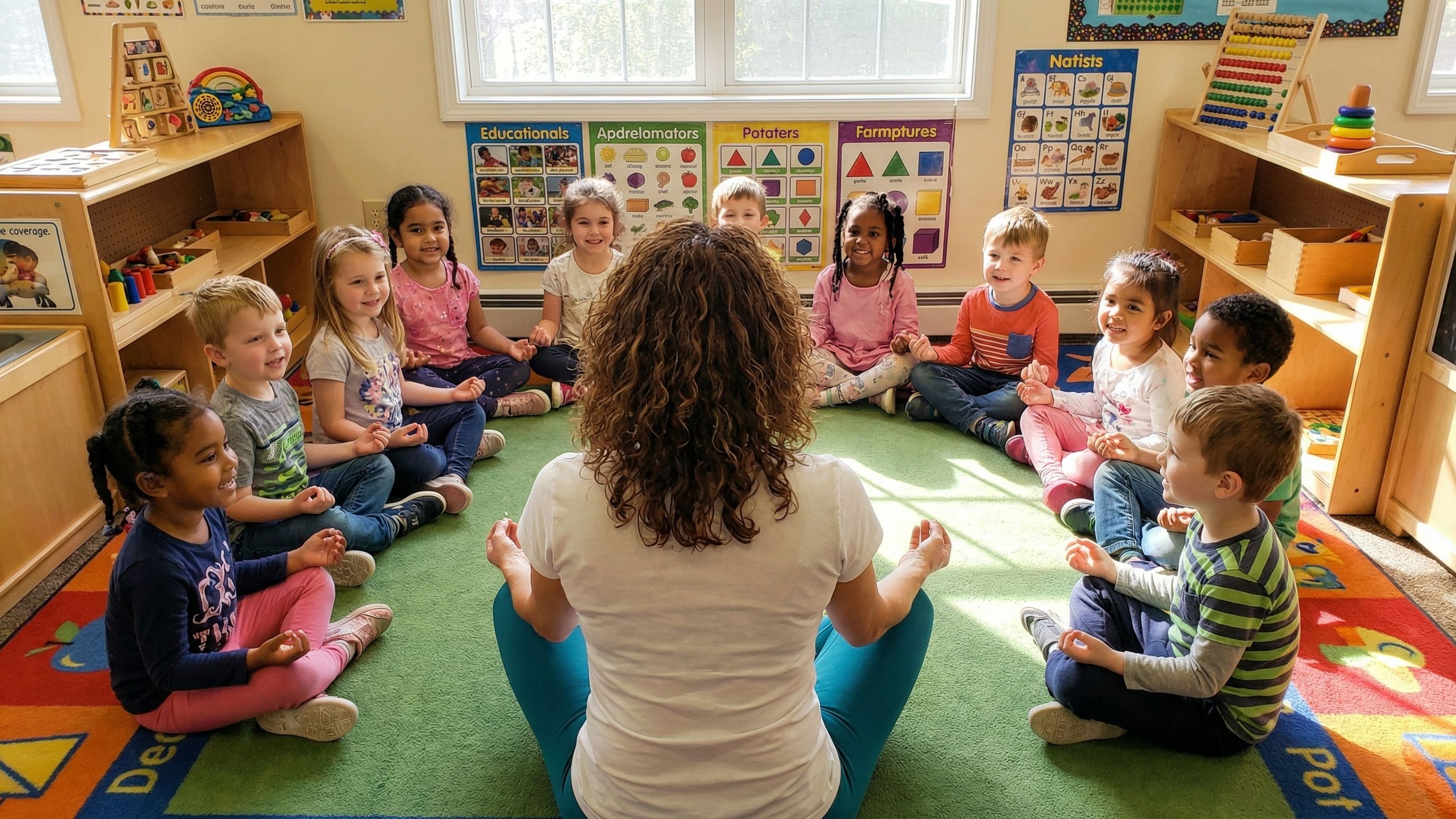
When we talk about mindfulness in education, the focus is usually on children. Their big feelings, developing brains, and growing need for emotional regulation.
But there’s a vital part of the picture we often overlook: the teachers.
Educators today carry an immense emotional load. Beyond planning and curriculum, they are co-regulating dozens of nervous systems every day. They manage behaviour, absorb anxiety, respond to distress, and model calm, often while feeling stretched to their limits themselves.
Burnout in education isn’t just about workload. It’s about emotional depletion.
We ask teachers to teach regulation, yet rarely give them the time, space, or tools to regulate themselves. And this is the truth that lands hard:
We can’t teach regulation if we’re never given space to practise it ourselves.
Children don’t learn emotional skills primarily through instruction. They learn through experience and modelling. They notice how adults respond under pressure, how we pause before reacting, and how we recover after a difficult moment. Our nervous systems set the tone long before any behaviour strategy does.
This is where mindfulness, when it is realistic and well designed, can genuinely support educators rather than burden them.
The solution isn’t asking teachers to do more. It is about building regulation into what already exists. Simple shifts can make a real difference. Brief pauses before transitions. Breathing or grounding moments done together with children. Shared language such as “let’s reset together”. Permission for teachers to calmly name their own feelings.
These small practices reduce reactivity, support emotional boundaries, and make behaviour challenges feel more manageable, without adding to the to-do list.
Crucially, mindfulness works best when teachers experience it themselves, not just deliver it. When regulation is treated as a professional skill rather than a personal failing, buy-in increases and pressure decreases.
When teachers are supported to regulate their own nervous systems, classrooms feel different. Transitions are smoother. Conflict de-escalates more quickly. Relationships strengthen. Learning becomes more accessible for everyone.
If we want calm, focused, emotionally resilient children, we must start by creating environments where educators are allowed to be human.
Because regulation isn’t taught.
It’s lived.
And it starts with us.
Sign Up For Our Monthly Newsletter
Receive monthly emails with news, blogs and articles about teacher training courses, yoga, mindfulness, education and so much more.
We hate SPAM. You'll only get quality content.
