
The Hidden Link Between Movement and Behaviour in the Classroom
Jan 19, 2026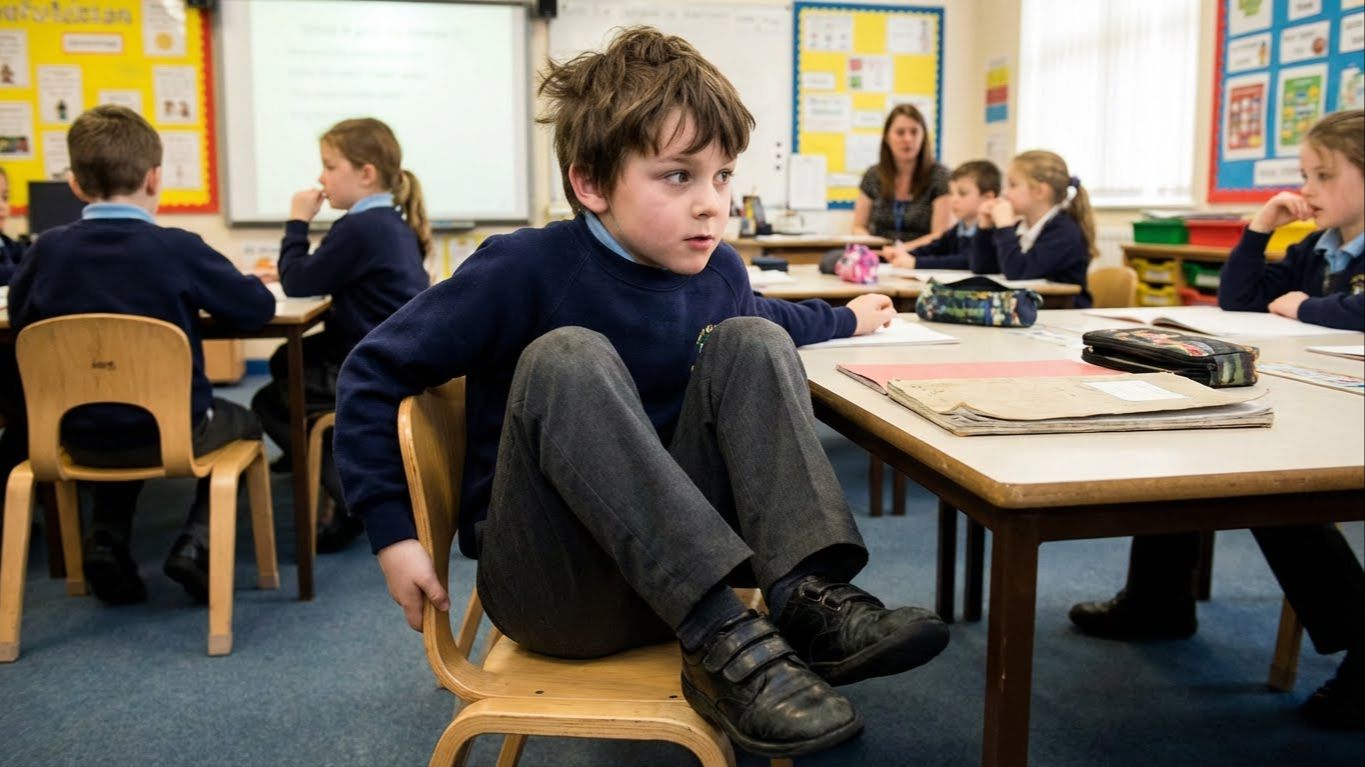
Teachers everywhere are noticing the same challenge: children struggling to sit still, focus, and regulate their behaviour in the classroom. While this is often labelled as “poor behaviour” or a lack of concentration, there is an important factor that is frequently overlooked - movement.
Children are not designed to sit for long periods of time. From a developmental perspective, movement is essential for physical, emotional, and cognitive growth. When children are required to remain still for extended periods, their bodies and brains often respond through restlessness, fidgeting, or disruptive behaviour.
Why Movement Matters
Research shows that movement activates parts of the brain responsible for attention, memory, and emotional regulation. Physical activity increases blood flow to the brain, helping children feel more alert, focused, and ready to learn. In contrast, long periods of inactivity can lead to built-up energy, frustration, and difficulty managing impulses.
For many children, particularly those with additional needs such as ADHD, anxiety, or sensory sensitivities, the lack of movement can feel overwhelming. Their behaviour is often their body’s way of communicating a need rather than a deliberate choice to disrupt.
Movement and Emotional Regulation
Movement isn’t just about releasing energy. It plays a vital role in emotional regulation. Gentle, mindful movement such as yoga helps children connect with their bodies, notice how they feel, and release tension in a safe and supportive way.
Through yoga and mindfulness, children learn how to recognise when their body feels restless or overwhelmed. They begin to understand how to use movement and breath to calm themselves and how to pause and reset before reacting. These skills support improved self-regulation, emotional awareness, and a calmer classroom environment.
The Role of Yoga in the Classroom
Yoga offers a unique balance of movement and stillness. It encourages strength, flexibility, and coordination while also promoting focus and self-awareness. Unlike high-energy exercise, yoga supports regulation rather than overstimulation.
Even short yoga or movement breaks of five to ten minutes can improve concentration and listening skills, reduce anxiety and tension, support positive behaviour, and help children transition smoothly between activities.
A Simple Classroom Exercise Teachers Can Use
This short exercise can be used at any point in the day, particularly after break time, before focused learning, or when the class feels unsettled. It takes just three to five minutes and can be done at desks or on the carpet.
Ground, Move and Focus Reset
Ask children to place both feet flat on the floor and imagine roots growing from their feet into the ground. Invite them to notice the feeling of connection and stability.
Next, guide them to slowly roll their shoulders up towards the ears and gently drop them down. Repeat this three times to release tension.
Invite the children to inhale and reach both arms up towards the ceiling. As they exhale, slowly lower the arms down. Repeat this three times, encouraging slow and mindful movement.
Then, ask them to sit tall and gently twist the upper body to one side and then the other, noticing the movement through the spine.
Finally, place hands on the belly and practice balloon breathing. Breathe in through the nose, imagining the belly filling like a balloon. Breathe out slowly through the mouth. Repeat for three to five breaths.
This simple exercise helps children reconnect with their bodies, calm their nervous systems, and return to learning feeling settled and focused.
A Shift in Perspective
When we begin to view behaviour through the lens of movement and regulation, our response naturally changes. Instead of asking, “Why won’t this child sit still?” we start asking, “What does this child’s body need right now?”
By embracing movement as a tool for wellbeing and learning, we create classrooms that support not only academic success, but also confident, emotionally regulated, and resilient children.
Sign Up For Our Monthly Newsletter
Receive monthly emails with news, blogs and articles about teacher training courses, yoga, mindfulness, education and so much more.
We hate SPAM. You'll only get quality content.
