
Navigating Transition Day: How to Calm Big Feelings in the Classroom next week
Jul 05, 2026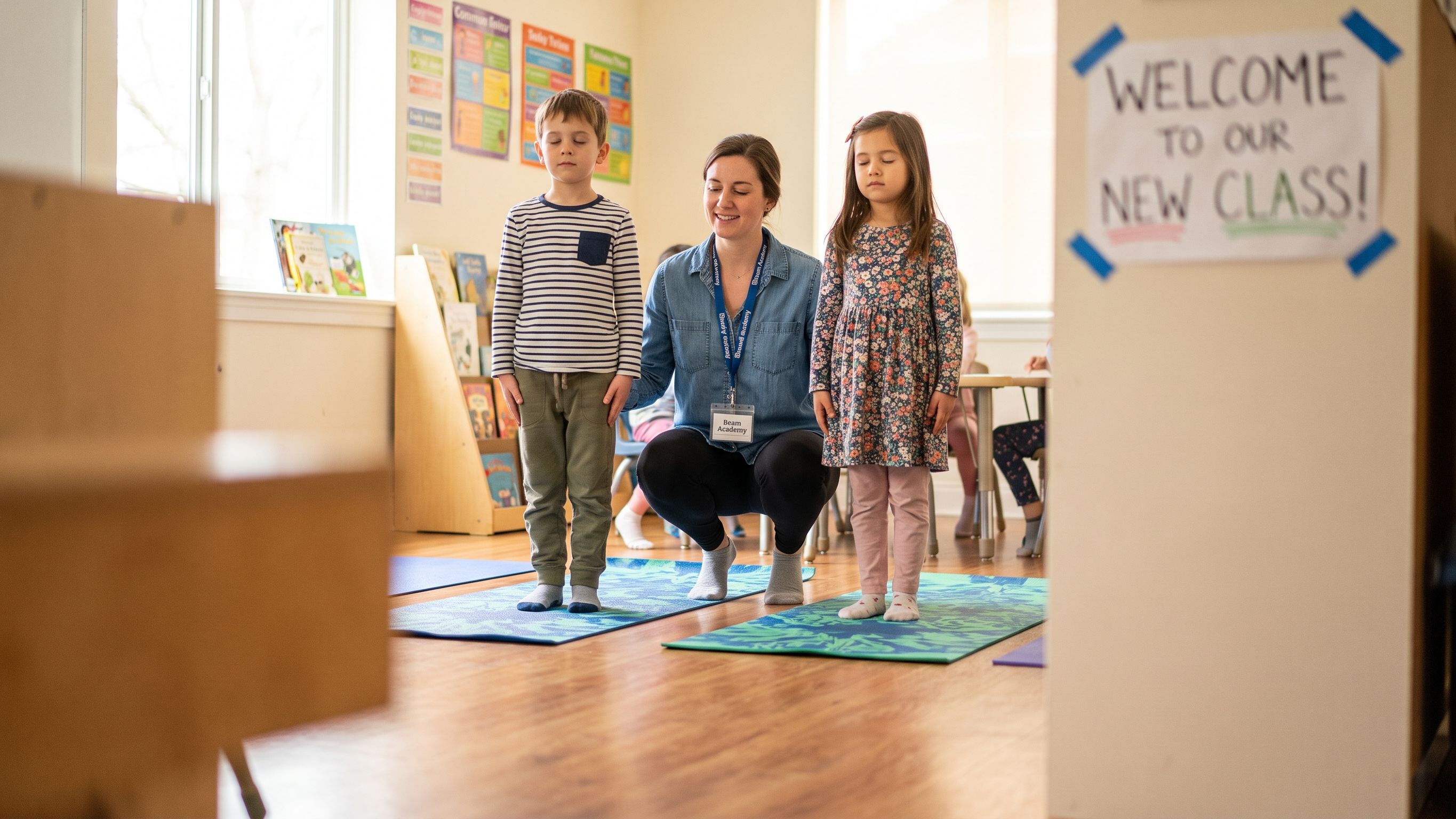
As the summer term draws to a close, a major milestone is fast approaching for schools and nurseries across the UK. Next week, thousands of children will take part in transition days.
Whether they are moving from nursery to reception, stepping up a primary school year, or making the daunting leap to secondary school, these days bring a wave of mixed emotions. While excitement is in the air, many children experience high levels of stress, vulnerability, and anxiety about the unknown.
Recent data from child development and mental health organisations emphasizes that the post-pandemic landscape, combined with shifting peer dynamics, has made school transitions trickier for young minds to navigate. For school teachers, nursery staff, and senior leaders, managing a room full of dysregulated, anxious pupils next week is a major logistical and emotional challenge.
Practical, age-appropriate wellbeing tools can completely shift the energy of a transition session, turning a stressful day into an empowering one.
Simple Strategies for Next Week’s Transition Groups
When children enter a new classroom or meet a new peer group, their nervous systems often go into a state of high alert. You can help them find their feet and settle their minds with a few simple, active techniques tailored to each age group.
Early Years (Ages 2 to 5): Creating a Sense of Safety
For our youngest children, moving to a new room or starting school feels huge. They need physical comfort and predictability.
-
The 'Safe Base' Stretch: Introduce a simple yoga movement where children stretch their arms up high like a big protective tent, and then bring their hands to their hearts. This physical action establishes a sense of personal boundary and security.
-
Sensory Co-regulation: Use a soft toy or puppet to guide breathing. Ask children to watch the puppet breathe in and out, copy the slow rhythm, and feel their own bodies calm down.
Children’s Yoga (Ages 5 to 11): Handling Change
Primary pupils often worry about harder work, stricter rules, or losing their old friends.
-
Grounding Poses: Practice 'Mountain Pose' ($Tadasana$). Have the children stand tall with feet firmly rooted into the floor. Explain that just like a mountain, they can stand strong even when the weather around them changes.
-
The 5-4-3-2-1 Grounding Method: Ask the new class to silently notice five things they can see in the room, four things they can physically feel, three things they can hear, two things they can smell, and one positive thing they can think about themselves. This anchors them in the present moment.
Teen Yoga (Ages 12 to 18): Managing Secondary Overwhelm
Moving to secondary school or starting a new exam year brings intense peer and academic pressure.
-
Box Breathing: Teach older students to breathe in for a count of four, hold for four, exhale for four, and hold for four. It is a highly discreet, evidence-backed tool that lowers cortisol levels instantly before they walk into a new environment.
-
Circle of Control: Draw a large circle on the board. Work together to list things they cannot control (the new timetable, the size of the building) on the outside, and things they can control (their breathing, how they treat others, when they ask for help) on the inside.
Supporting Neurodivergent and Vulnerable Pupils
Transition days can be particularly overwhelming for children with Special Educational Needs (SEN), including autism, ADHD, or those experiencing trauma and anxiety. The sudden change in routine, unfamiliar sensory inputs, and new adult faces can lead to sensory overload or emotional shutdown.
To keep your session inclusive and child-centred, focus on predictable, repetitive movements. Avoid putting individual children on the spot to answer questions, as this can heighten social anxiety. Instead, use collective movement and group breathing to foster a sense of belonging without the pressure of forced verbal interaction.
Moving Beyond a Single Transition Day
While next week is a vital touchpoint, supporting children's emotional regulation and resilience is a year-round task. When school and nursery staff feel equipped with these practical wellbeing skills, they can weave calm moments into the daily timetable effortlessly.
If you want to build your confidence in leading these practices, Beam Academy offers specialized, certified teacher training courses. Designed specifically for the daily realities of educators and childcare professionals, these courses include:
-
Early Years Yoga Training for nursery staff and reception teachers.
-
Children’s Yoga Training tailored to the primary school environment.
-
Teen Yoga and Mindfulness Training for secondary settings.
-
SEN Yoga Training focusing on specialized strategies for neurodivergent and anxious pupils.
These pathways require no prior yoga experience and focus purely on practical outcomes to help you support the wellbeing of the children in your care.
Would you like to explore how these simple tools can become a permanent part of your setting's routine? Explore the courses today to take your next step. www.beam.academy
Sign Up For Our Monthly Newsletter
Receive monthly emails with news, blogs and articles about teacher training courses, yoga, mindfulness, education and so much more.
We hate SPAM. You'll only get quality content.
