
What helps children wind down after a long school day?
Nov 07, 2026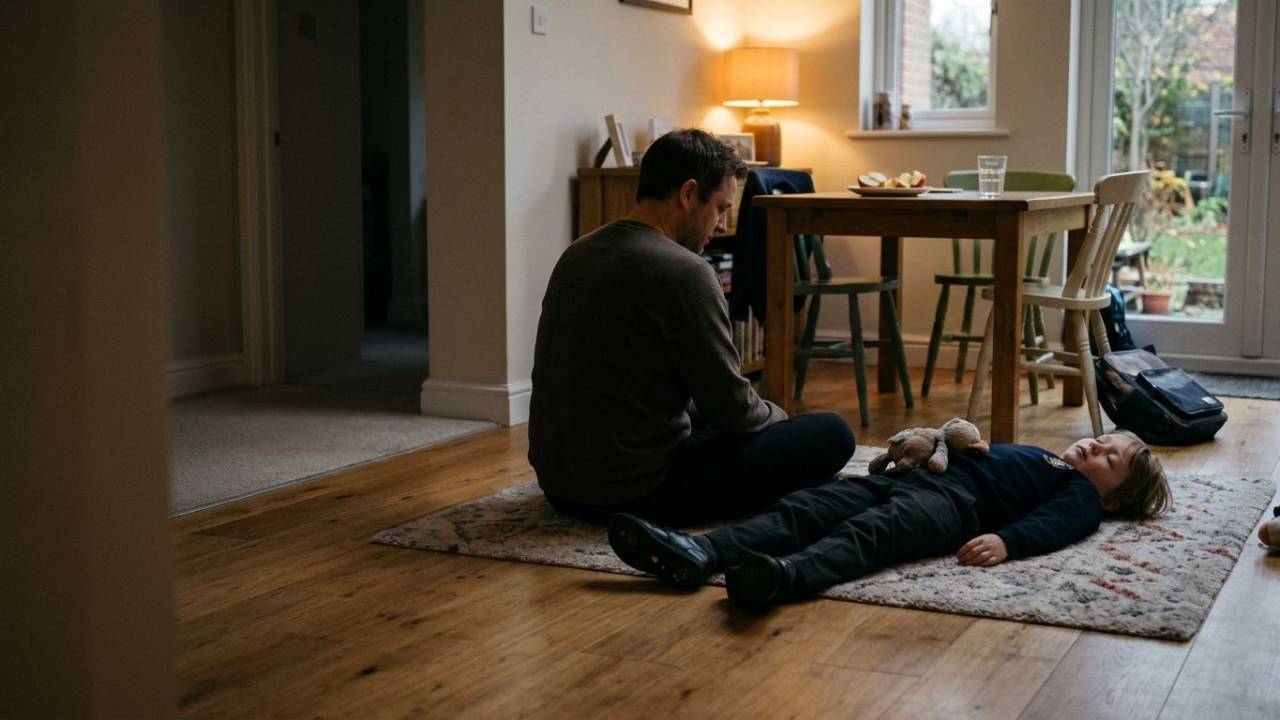
Sign Up For Our Monthly Newsletter
Receive monthly emails with news, blogs and articles about teacher training courses, yoga, mindfulness, education and so much more.
We hate SPAM. You'll only get quality content.

Your child comes out of the school gate smiling, chats happily on the walk home, and then twenty minutes later there are tears over the wrong colour cup. If that sounds familiar, you are in very good company. For lots of families, the trickiest part of the day isn't the morning rush. It's the hour after pickup.
There's even an informal name for it: "after-school restraint collapse". It isn't a diagnosis, just a handy way of describing something many parents notice. Children spend the school day following rules, sitting still, concentrating, managing friendships and holding big feelings in. Once they're back with the people they feel safest with, it all comes out. Psychologists quoted on the subject describe some of this release at home as expected, rather than a sign that something is wrong.
With darker evenings drawing in, here are some simple ideas to help your child land softly at home, built on the same breathing and movement tools we teach in nurseries and schools across London.
Why the hour after school matters
The late afternoon sets the tone for the evening, and the evening sets the tone for sleep. In NHS England's 2023 survey of children and young people's mental health, 37.8% of 8 to 16 year olds had a problem with sleep on three or more of the previous seven nights. Among children with a probable mental health condition, that figure rose to 76.5%, compared with 25.0% of those without one.
Movement is part of the picture too. Sport England's latest Active Lives survey found that 49.1% of children and young people in England now meet the Chief Medical Officers' guideline of an average of 60 minutes of activity a day. That's up from 43% in 2017-18, but around half still aren't getting there, and 28.4% average less than 30 minutes a day. After school is a natural place to top up.
1. Snack first, questions later
A lot of after-school wobbles are simply hunger and tiredness in disguise. Have something easy ready for the walk or the car, and hold off on questions for a bit. "How was school?" asked the second they walk out can feel like one more test at the end of a long day.
2. Swap "How was your day?" for something lighter
When your child has had a chance to recharge, try a more playful way in. Barnardo's suggests making feelings talk a casual, everyday thing rather than something saved for when there's a problem. A few of their ideas work brilliantly after school:
They also point out that everyday moments like dinner, the car or bedtime are often when children open up, and that listening more than you speak (and not rushing to fix things) helps them keep talking.
3. Move the day out of their body
After hours of sitting, many children need to move before they can settle. This doesn't have to be organised sport. Active play is the most common way children get moving, according to Sport England, with 64% taking part. Ten minutes is plenty:
4. A two-minute breathing reset
Once the wriggles are out, a short breathing game can help the body shift into a calmer gear. Keep it playful and short:
Do it alongside your child. Two minutes of breathing does grown-ups good too.
5. Build a gentle landing into the evening
The final stretch before bed is where the after-school wind-down really pays off. The Sleep Charity recommends turning off screens an hour before bedtime, dimming the lights, and choosing calm hands-on activities such as jigsaws, colouring, craft or model making. They also suggest ending the day on a positive note by sharing five good things that happened.
If mornings are your family's pressure point rather than evenings, our post on how to create a mindful morning routine for kids pairs nicely with this one.
Keep it small and predictable
You don't need to do all five every day. Children feel safer when they know what's coming, so pick two or three ideas and do them in the same order most days. For example:
Over time, a predictable routine becomes something your child simply expects, which means fewer negotiations and less pressure on you.
When to ask for more support
Some after-school grumpiness is normal. But if meltdowns are very intense or happening most days, your child seems worried a lot of the time, or sleep problems are carrying on for weeks, it's worth a chat with your child's teacher, the school's SENCO or your GP. They can help you work out what's going on and whether any extra support would help.
Calm skills at school and at home
Breathing and movement tools travel well between school and home. That's why our yoga and mindfulness sessions in primary schools and our yoga and mindfulness sessions for nurseries focus on simple, repeatable techniques children can use anywhere, from the classroom to the kitchen floor.
If you'd love your child to learn these skills with their classmates, ask their school or nursery about BEAM ACADEMY sessions (they can find us at beam.academy).
Sources: